Warehouse Racking, Mould Racks & Heavy Shelving — Malaysia Guide
Heavy storage is the one category where getting the specification wrong is a safety issue, not just an inconvenience. Racking that is under-rated, overloaded or wrongly used can fail. This guide covers how Malaysian warehouses and tool rooms specify racking, mould racks and heavy shelving safely.
Start with the load — always
Every rack and shelf has a safe working load. The rule is simple and non-negotiable: know the weight of what you are storing, and choose racking rated comfortably above it. Two numbers matter:
- Per-level load — the weight on a single beam level or shelf.
- Total bay load — the combined weight the upright frame carries.
When in doubt, over-specify. The cost difference between duty ratings is small next to the cost of a failure.
Direct answer: Specify racking by the actual weight per level and per bay, choose a rating above your heaviest realistic load, mark the safe working load clearly, and never store concentrated point loads like moulds on shelving designed for distributed loads — use a purpose-built mould rack instead.
Why mould racks are different
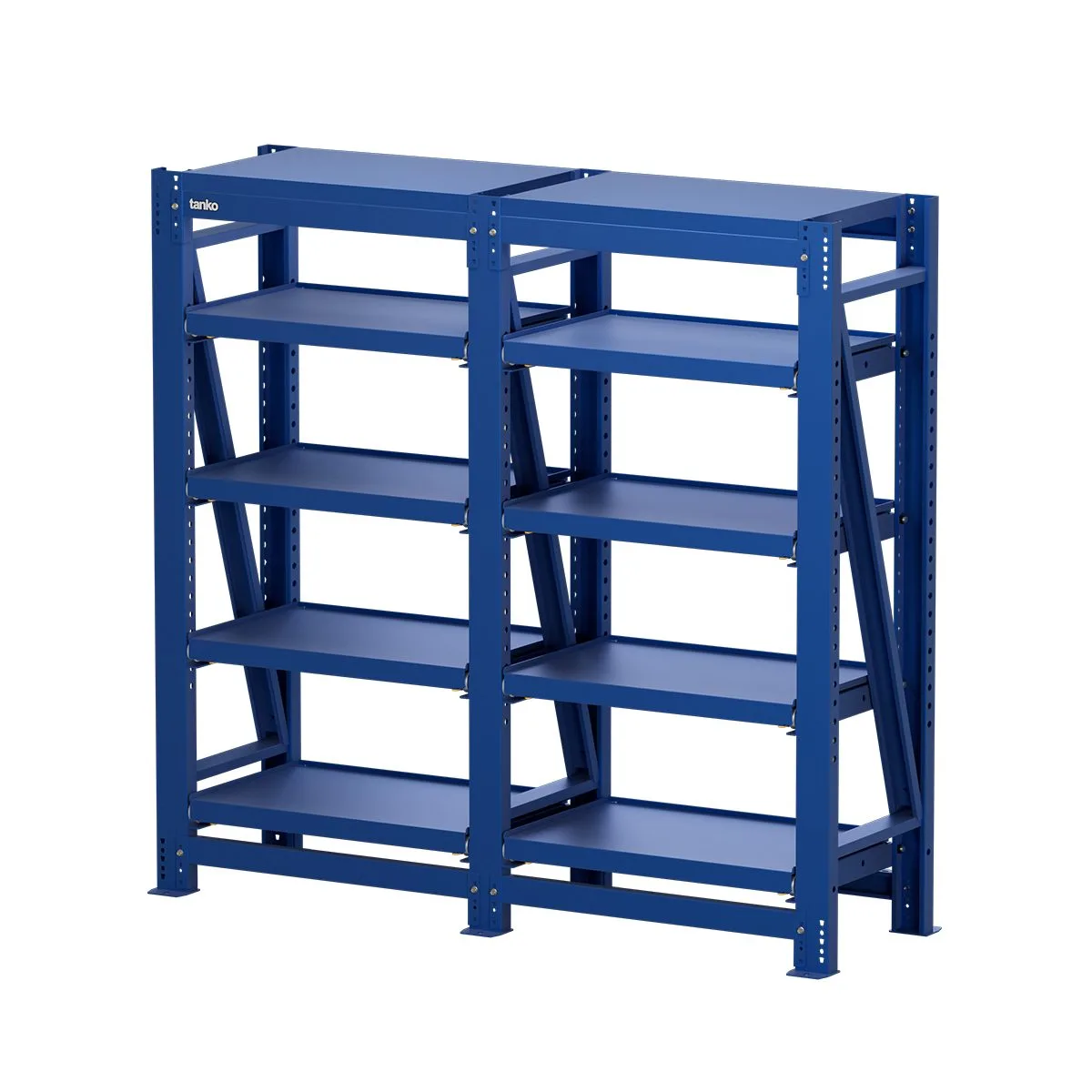
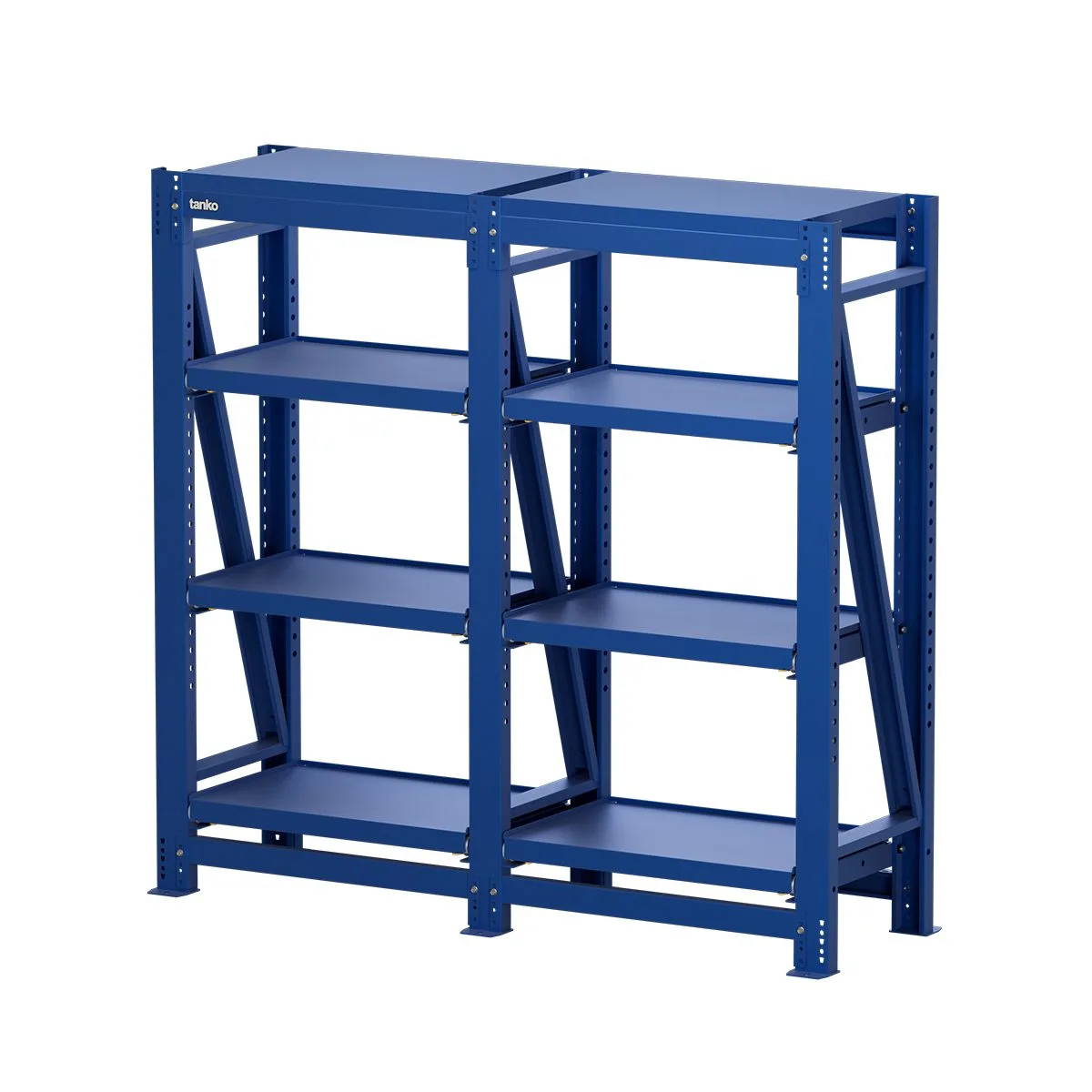
Injection moulds and die sets are heavy and concentrate their weight on a small footprint. Ordinary shelving is designed for loads spread across the shelf; a mould places a large point load that can overload a shelf even if the total weight seems within rating. Purpose-built mould racks are engineered for these concentrated loads, in two- and three-column configurations, and often allow a hoist or crane to place and retrieve moulds safely.
Shelving for general storage
For boxed stock, tooling and general goods, steel shelving and pull-out racks keep items accessible and off the floor. Pull-out racks bring stored items forward for easy access, which suits heavy or awkward loads that are hard to reach at the back of a deep shelf.
Safe installation and use
- Mark the safe working load on every bay so no one overloads it.
- Load low and even — heaviest items on lower levels, weight spread across the level.
- Fix and floor-anchor tall racking per the manufacturer's guidance.
- Inspect regularly for damage to uprights and beams, especially near forklift traffic.
- Keep aisles clear for safe access and material handling.
Match the rack to the job
| Storing | Use |
|---|---|
| Injection moulds / die sets | Mould rack (point-load rated) |
| Boxed stock, tooling, general goods | Steel shelving |
| Heavy items needing easy access | Pull-out rack |
| Tools at the workstation | Hanger rack |
Pricing note: Racking pricing depends on load rating, size and configuration. Tell us what you're storing and the weights and we'll quote safe racking.
Frequently asked questions
How do I choose the right racking load capacity?
Work out the weight per level and per bay of what you're storing, then choose racking rated comfortably above your heaviest realistic load. Over-specifying is cheap insurance against a failure. Always mark the safe working load on each bay.
Why can't I store moulds on ordinary shelving?
Moulds and die sets concentrate their weight on a small footprint, creating a point load. Ordinary shelving is rated for loads spread across the shelf, so a mould can overload it even within the total weight rating. Use a purpose-built mould rack designed for point loads.
What is a pull-out rack?
A pull-out rack lets a stored level or unit slide forward for access, so heavy or awkward items at the back of a deep shelf can be reached safely without climbing or reaching over. It suits heavy tooling and dies.
Where can I buy mould racks and warehouse racking in Malaysia?
Primaxs supplies Tanko mould racks, steel shelving and pull-out racks in Malaysia, with quoting based on your load requirements and layout.
What types of warehouse racking are used in Malaysia?
The common types are selective pallet racking (beams and uprights loaded by forklift), boltless or longspan shelving (hand-loaded cartons and parts), cantilever racking (long items such as pipe and bar), mould racks (concentrated loads such as injection moulds and dies) and pull-out racks (heavy items that need front access). Choose by what you store, how it is loaded and the weight per level.
What is the difference between racking and shelving?
Racking is built from uprights and beams and is loaded by forklift, crane or hoist, so each level carries heavy or concentrated loads. Shelving is loaded by hand and suits cartons, parts and tools spread across the shelf. Moulds and dies need racking rated for point loads, not shelving.
How much does a mould rack cost in Malaysia?
Tanko mould racks start from RM9,471.30 for the 2-column MB-2 line and from RM13,857.50 for the 3-column MB-3 line, rated up to 1000kg per shelf. Pull-out racks are quoted on application. Delivery and installation are free in Selangor and Kuala Lumpur; outstation delivery is charged.
Do warehouse racks need to be anchored to the floor?
Tall racking should be fixed and floor-anchored as the manufacturer specifies, especially near forklift traffic. Under the Occupational Safety and Health Act 1994 the employer must keep storage safe, so mark the safe working load on every bay and inspect uprights and beams for damage regularly.
Sourcing in Malaysia? Primaxs is the exclusive Malaysia distributor for Tanko industrial storage. Browse the product range or request a quote for your workshop or factory.