
Stainless Steel Workbenches for Food, Pharma & Lab in Malaysia
In food processing, pharmaceuticals, laboratories and cleanrooms, the work surface is a hygiene surface. Every joint, weld and imperfection is a place where product, bacteria or cleaning chemicals can collect. That is why these sectors specify stainless steel workbenches — and why the specification matters. This guide explains how Malaysian facilities choose the right stainless bench.
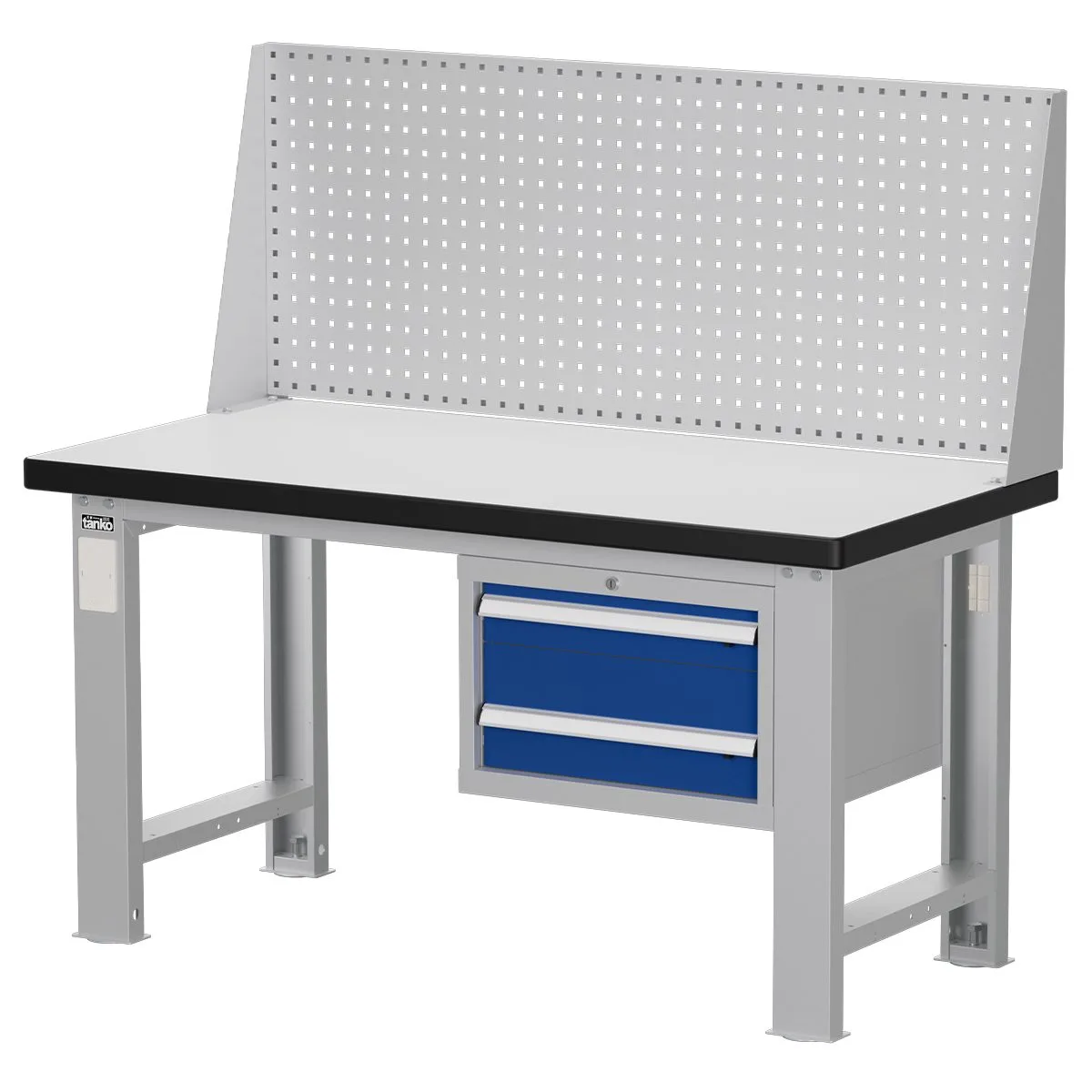
Why stainless, and why not all stainless is equal
Stainless steel resists corrosion and is easy to clean, which makes it the default for hygienic applications. But 'stainless' covers many grades. For most food and pharma contact surfaces, 304-grade (18/8) is the workhorse: good corrosion resistance, easy to fabricate and weld, and suitable for frequent wash-down. For aggressive cleaning chemistries, high-chloride environments or salt exposure, 316-grade adds molybdenum for better pitting resistance. Tanko does not supply 316 — tell us about the environment before ordering and we will say plainly whether 304 is right for the position.
Hygienic design: what to look for at the weld
The grade is only half the decision — design is the other half. A truly hygienic stainless bench is built with:
- Fully welded, ground and polished joints with no crevices where bacteria or product can lodge.
- Rounded, open-frame construction that lets wash water and air reach every surface; no boxed-in sections that trap moisture.
- Adjustable or bolted feet that keep the bench stable and easy to level on a wet floor.
- A top with a rolled or turned edge that drains instead of pooling liquid, and is easy to sweep.
In humid Malaysia, condensation is constant. An open frame and good welds are what stop hidden rust and bacteria from forming behind sealed panels.
Food processing and halal certification
For food contact, the surface must meet food-grade requirements and be cleanable to the standard your facility is audited against — including halal and food-safety certification programmes common in Malaysia. That means smooth, non-porous surfaces, no bare wood or particle board at contact points, and materials that survive the sanitisers your team uses. Stainless tables, benches and packing stations with these properties are standard in food plants.
Pharmaceutical and laboratory use
Pharma and lab environments add their own needs: resistance to solvents and reagents, smooth finish for decontamination, and often a cleanroom-compatible design with minimal horizontal ledges that collect dust. Stainless benches in these settings are frequently specified with a mirror or semi-mirror finish and are selected to withstand the cleaning regime, including autoclaving or chemical disinfection where applicable.
Corrosion in Malaysia's climate
The combination of humidity, temperature swings and (near the coast) airborne salt makes corrosion the main long-term risk for any metal bench. Stainless mitigates it, but only if the grade matches the environment and the welds are passivated. Ask your supplier about the grade and the surface finish, and whether the bench is suited to the conditions where it will live — a dry air-conditioned lab and a humid packing hall are not the same environment.
Direct answer: For food, pharma or lab work in Malaysia, specify a stainless steel workbench in 304 grade — the grade Tanko supplies — with fully welded and polished joints, an open cleanable frame, and adjustable feet. Confirm the finish suits your audit and cleaning regime before ordering.
Matching stainless benches to the wider range
Stainless workbenches fit alongside the rest of a hygienic facility's storage: stainless workbench variants across the range, steel lockers for PPE and uniforms, and parts and bin storage for a clean, organised line. Choosing one supplier keeps materials and cleanability consistent across the shop floor.
Ask the right questions
Before you buy, confirm: the steel grade, the weld and finish quality, whether the design is open-framed and drainable, and whether the bench matches the cleaning chemicals your facility uses. A quote request through the site should include your application (food, pharma, lab, coastal), the wash-down frequency and any certification requirements so the right grade and finish are proposed.
Frequently asked questions
What grade of stainless steel should a food workbench be?
304 (18/8) is the standard workhorse for food contact in Malaysia — good corrosion resistance and easy to clean. Tanko stainless is 304. Where exposure to salt, strong chlorine sanitisers or coastal humidity is severe, tell us before ordering so we can advise.
Is a stainless workbench worth the higher cost over painted steel?
For food, pharma, lab or any frequent-wash-down application, yes — the corrosion resistance and cleanability prevent contamination and premature rust that would cost far more in downtime and rework. For general dry mechanical work, painted steel is a sensible lower-cost choice.
Do stainless benches need special care in humid Malaysia?
Wipe down after wet use, keep the surface dry, and avoid leaving chlorides or abrasive cleaners on the steel. Passivated welds and a good grade reduce maintenance; a light periodic clean keeps the surface audit-ready.
Can stainless steel worktops be retrofitted to an existing bench?
Depending on the frame, a stainless top can sometimes be fitted to a compatible steel frame, but a purpose-built stainless bench guarantees the hygienic welds, open frame and drainage that audits look for.
Sourcing in Malaysia? Primaxs is the exclusive Malaysia distributor for Tanko industrial storage. Browse the product range or request a quote for your workshop or factory.