
Tool Cabinet Maintenance & Longevity Guide for Malaysia
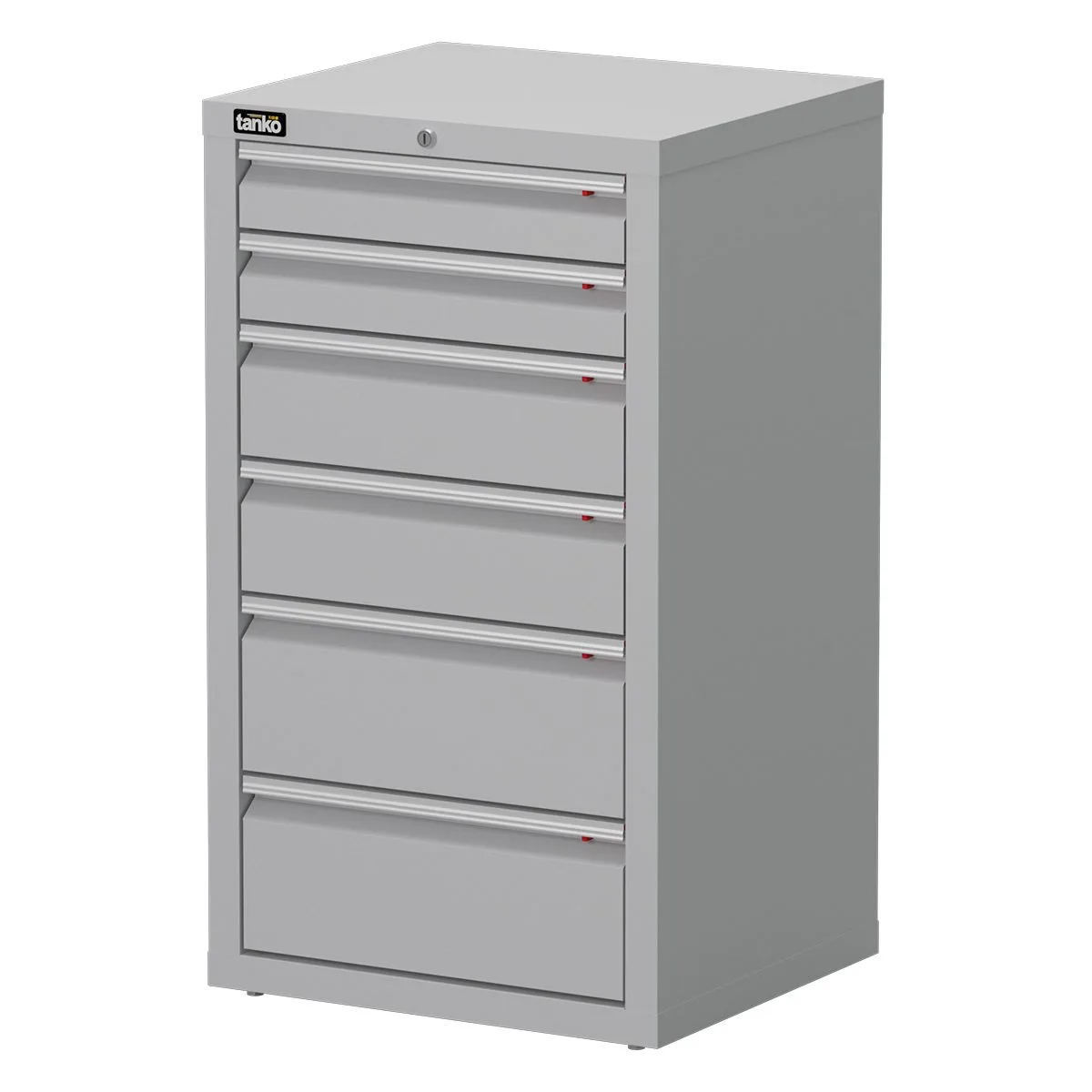
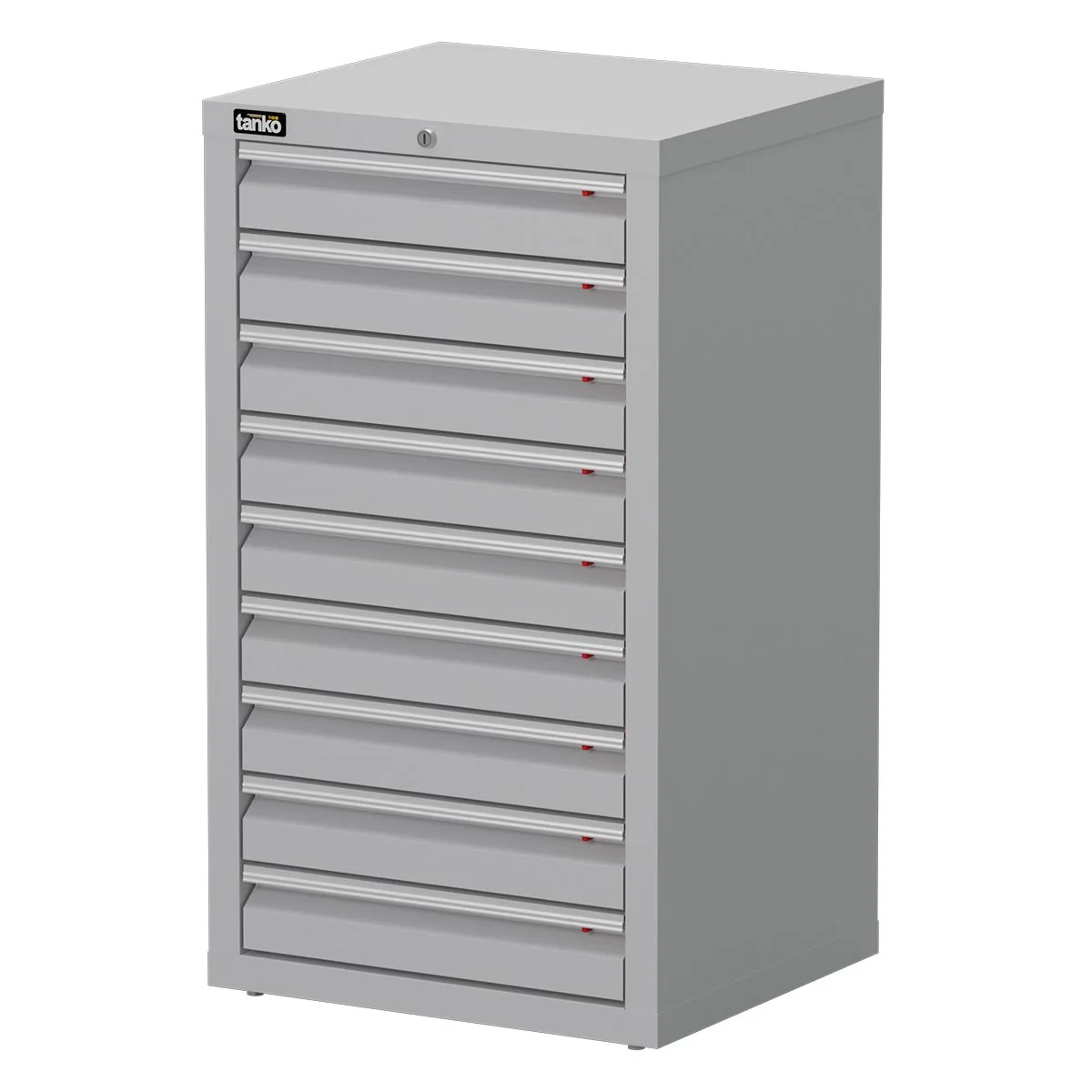
A good industrial tool cabinet is a 10-to-15-year purchase, and how it is maintained in the first two years determines whether it reaches that lifespan. Malaysian workshops face high humidity, occasional dust, and oil or coolant in machining areas — all of which affect drawer slides, locks and powder coating. This guide covers the practical maintenance that keeps a Tanko tool cabinet operating smoothly for years.
Why maintenance matters more in Malaysia
Malaysia's climate is the defining factor for tool cabinet longevity. Relative humidity above 80% for much of the year means that unprotected steel surfaces will eventually rust, even indoors. Dust from manufacturing, construction or outdoor storage gets into drawer slides and accelerates wear. In machining and fabrication areas, oil mist and coolant residue settle on every surface and can gum up slides and locks over time. A cabinet that is never cleaned will start sticking within two years; one that gets basic quarterly maintenance will still feel new after a decade.
Monthly: clean the exterior and check the locks
The exterior of a tool cabinet is the easiest part to maintain and the most visible. Wipe it down with a damp cloth and a mild industrial detergent — avoid abrasive scouring pads that will scratch the powder coating. Pay attention to the top surface, where tools are often set down, and the handle area, where hand oils accumulate. If the cabinet is in a machining area, wipe oil residue monthly rather than letting it build up.
Check the lock every month: does the key turn smoothly? Is the central locking bar engaging all drawers? A sticky lock can often be fixed with a small amount of graphite lubricant (never oil — oil attracts dust). If the lock is already stiff, address it before it fails completely — a failed central lock can leave drawers stuck or unsecured.
Quarterly: service the drawer slides
Drawer slides are the heart of a tool cabinet, and they are where maintenance pays off most. Tanko industrial cabinets use ball-bearing full-extension slides rated for daily industrial use, but even the best slides need occasional attention. Every three months:
- Open each drawer fully and inspect the slide rails for dust, debris or oil buildup.
- Wipe the rails with a clean cloth. Do not use solvent — it can strip the slide's factory lubrication.
- Lubricate lightly with a dry silicone spray or a small amount of white lithium grease on the ball tracks. Avoid over-lubricating — excess grease attracts dust and creates more problems than it solves.
- Operate each drawer several times to distribute the lubricant evenly.
- Check for play or misalignment. A drawer that rocks or binds may have a slide that needs adjustment or replacement.
In high-dust environments — cement works, stone fabrication, woodworking — increase slide servicing to monthly. Dust is the fastest way to wear out a set of slides.
Semi-annually: inspect for rust and touch up coating
Twice a year, inspect the cabinet thoroughly for rust. Pay special attention to:
- The bottom edge and base, where moisture can pool if the floor is wet.
- Drawer interiors, especially if tools are stored damp or with oily rags.
- Scratches and chips in the powder coating — any break in the coating is a starting point for rust.
- The back panel, which is often overlooked and can collect condensation.
If you find surface rust, treat it immediately: scrub with a wire brush or abrasive pad, wipe clean, and touch up with a matching paint or rust converter. A small rust spot caught early is a five-minute fix; left for six months, it can spread and require panel replacement.
Ongoing: organise drawers to protect the cabinet
How you load a drawer affects its lifespan as much as how you maintain it. Overloading a drawer beyond its slide rating bends the slides and causes premature wear. A drawer packed with heavy tools on one side will twist and bind. Use drawer dividers and foam inserts to distribute weight evenly, keep heavy items toward the back and centre of the drawer, and never exceed the rated load.
Drawer organisation also protects the cabinet's contents. Tools thrown loosely into a drawer scratch each other, damage the drawer interior, and make finding the right tool slow. A well-organised drawer with dividers or foam inserts keeps tools in place, reduces slide stress, and makes inventory checks fast. For Malaysian workshops running multiple shifts, organised drawers also mean that every technician can find and return tools without searching — reducing wasted time across the day.
Mobile cabinets: extra care for casters
Mobile tool cabinets and trolleys add casters to the maintenance list. Every month, check that all casters rotate freely and that locks engage properly. Wipe caster stems and wheels clean — hair, wire and debris can wrap around axles and seize a wheel. Lubricate caster stems with dry silicone spray if they start to stiffen. A mobile cabinet with a seized caster is not just annoying — it is a safety hazard when loaded with heavy tools.
When to call for service
Basic maintenance handles most issues, but some problems need professional attention. Contact us if:
- A drawer slide is bent, broken or will not stay aligned after adjustment.
- The central locking mechanism fails and drawers cannot be secured.
- Rust has spread beyond surface treatment and is eating through a panel.
- A caster is broken or the mounting plate is damaged.
- The cabinet frame is dented or twisted from impact or overloading.
As the exclusive Malaysia distributor, Primaxs can supply replacement slides, locks, casters and drawer components for Tanko cabinets — and advise on whether repair or replacement is the better option.
Direct answer: A tool cabinet that gets a monthly exterior wipe and lock check, quarterly slide cleaning and light lubrication, and semi-annual rust inspection will easily last 10+ years in Malaysian conditions. The two things that shorten cabinet life most are neglected slides and untreated rust spots.
Setting up a maintenance schedule
The simplest way to ensure tool cabinet maintenance happens is to add it to the existing 5S or preventive maintenance schedule. Assign one technician per area to do the monthly check, and put the quarterly slide service on the same calendar as machine maintenance. A cabinet that is maintained as part of the routine — rather than fixed only when it breaks — costs almost nothing to keep and delivers years of reliable service. For advice on drawer organisation, replacement parts or cabinet configuration, contact our team — we are happy to help you get the most from your Tanko storage.
Frequently asked questions
How often should I clean tool cabinet drawer slides in Malaysia?
Every three months for normal workshop environments, monthly for high-dust areas like woodworking or cement. Wipe rails clean and lubricate lightly with dry silicone or white lithium grease.
How do I prevent rust on tool cabinets in Malaysian humidity?
Inspect twice a year for rust spots, especially on the base, drawer interiors and scratched coating. Treat surface rust immediately with a wire brush and touch-up paint. Keep cabinets away from wet floors and store tools dry.
Can I use oil to lubricate drawer slides?
No. Oil attracts dust and creates a gummy residue that accelerates wear. Use dry silicone spray or a small amount of white lithium grease on the ball tracks instead.
What is the typical lifespan of an industrial tool cabinet?
A well-maintained Tanko industrial tool cabinet will last 10-15 years or more in daily use. Neglected slides and untreated rust are the two main factors that shorten cabinet life.
Can I get replacement parts for Tanko tool cabinets in Malaysia?
Yes. As the exclusive Malaysia distributor, Primaxs can supply replacement drawer slides, locks, casters and drawer components for Tanko cabinets.
Sourcing in Malaysia? Primaxs is the exclusive Malaysia distributor for Tanko industrial storage. Browse the product range or request a quote for your workshop or factory.